GSTS’s proprietary platform, OCIANATM
GSTS’s proprietary platform, OCIANATM, serves as a valuable facilitator for enhancing situational awareness among port and vessel operators. By leveraging a range of capabilities and AI models, OCIANATM equips users with timely and relevant information crucial for informed decision-making in both time and economic management. The following example illustrates the practical application of OCIANATM.
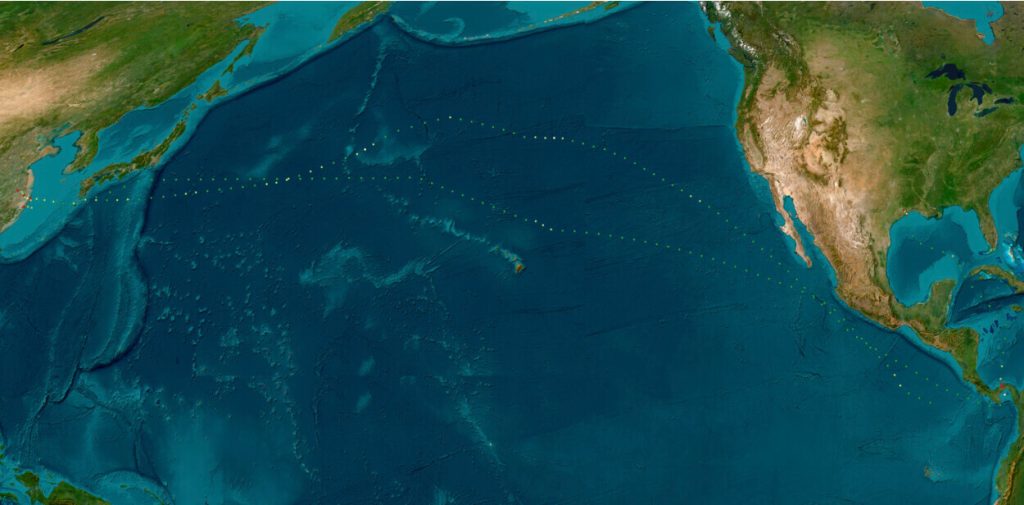
In recent voyages, a 230-meter LPG Tanker, routinely transported gas from a refinery in Houston, USA, to various ports in Asia, including Japan and China. During its latest trip, the vessel made a delivery to Taizhou, China, with plans to return to Houston via its standard route through the Panama Canal.
Region selection of Panama Canal
However, a significant challenge arose due to an unprecedented drought in Panama this year, resulting in historically low water levels. Consequently, the authorities announced a reduction in the daily number of ships allowed to transit the canal, lowering it from the usual 34-36 vessels to 25 ships per day, just as the vessel arrived on November 2. Therefore, the vessel reached the Panama Canal but had to reverse course. OCIANATM could have provided decision support in this instance. OCIANATM empowers ship operators to conduct a thorough analysis of options, ensuring informed decision-making for the next course of action. Upon receiving this critical information on the water levels in the Panama Canal, OCIANATM would be pivotal by providing insights into the current queue of vessels awaiting transit through the canal. In this specific case, there were approximately 180 vessels in the region waiting for their turn. Armed with this data, the vessel would have faced a wait time of 7-8 days before its scheduled transit, prompting a decision on whether to wait or take an alternative route around South America.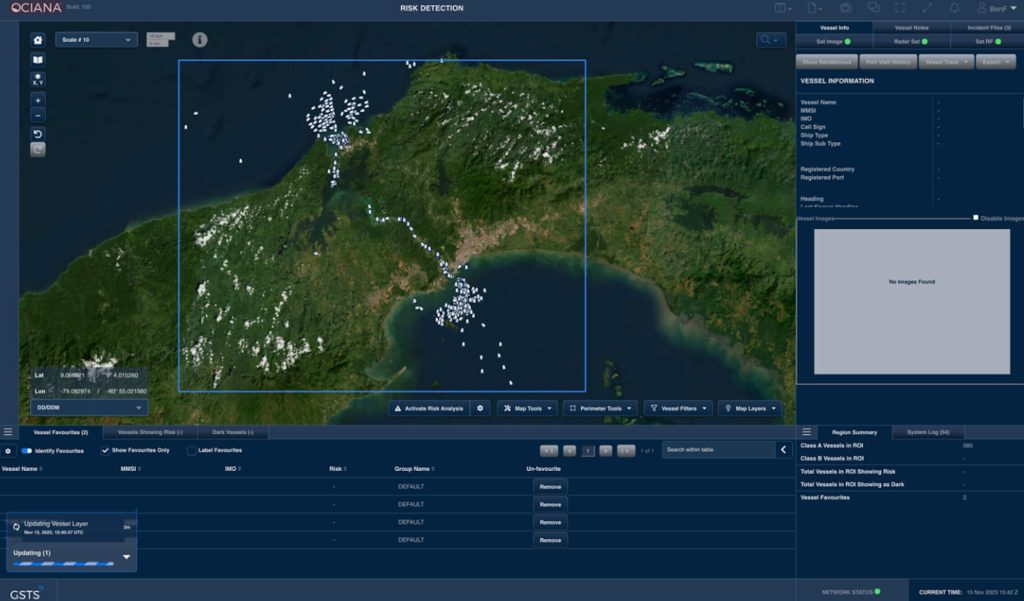
Route Planner to identify
Opting for the latter would add 20,000 kilometers to the overall trip. Calculating at the vessel’s maximum speed of 16 knots, this would translate to an additional 28 days of travel and fuel consumption. The shipowner would then need to make a financial calculation, considering that the cost for a vessel of this size to go through the Panama Canal running ballast was $472,000. Factoring in the extra distance and time, the break-even point for daily fuel costs that would make the alternative trip financially viable can be determined. Specifically, if the cost of fuel per day was less than $17,000, there would be a break even on price, albeit with an additional 20 days of travel. While other factors need to be considered, they can also be incorporated into OCIANA’s schedule optimisation model.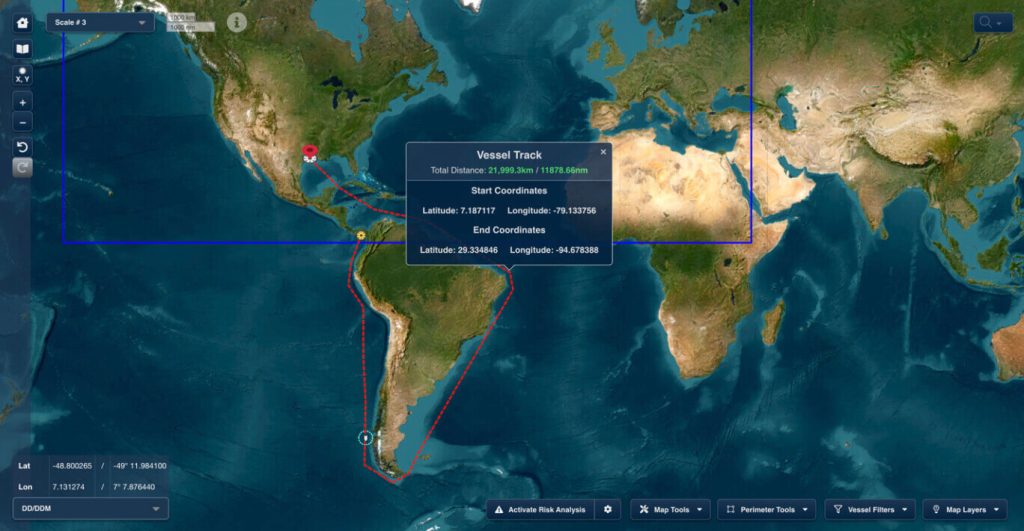
Schedule Optimisation Planner
From the Houston’s port’s perspective, the change in the vessel’s plans opened a berth that was initially reserved for the vessel. Leveraging the Schedule Optimisation Planner, the port could simulate the most efficient sequence for vessels waiting to dock, adjusting schedules to maximize resource utilization. This agile solution enables the port to effectively manage incoming vessels when plans shift, ensuring optimal resource allocation and maximizing profit.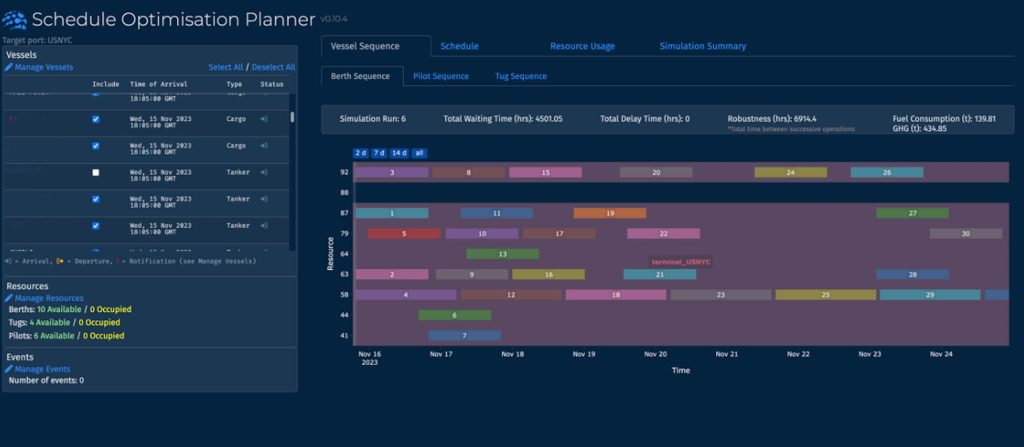



 English