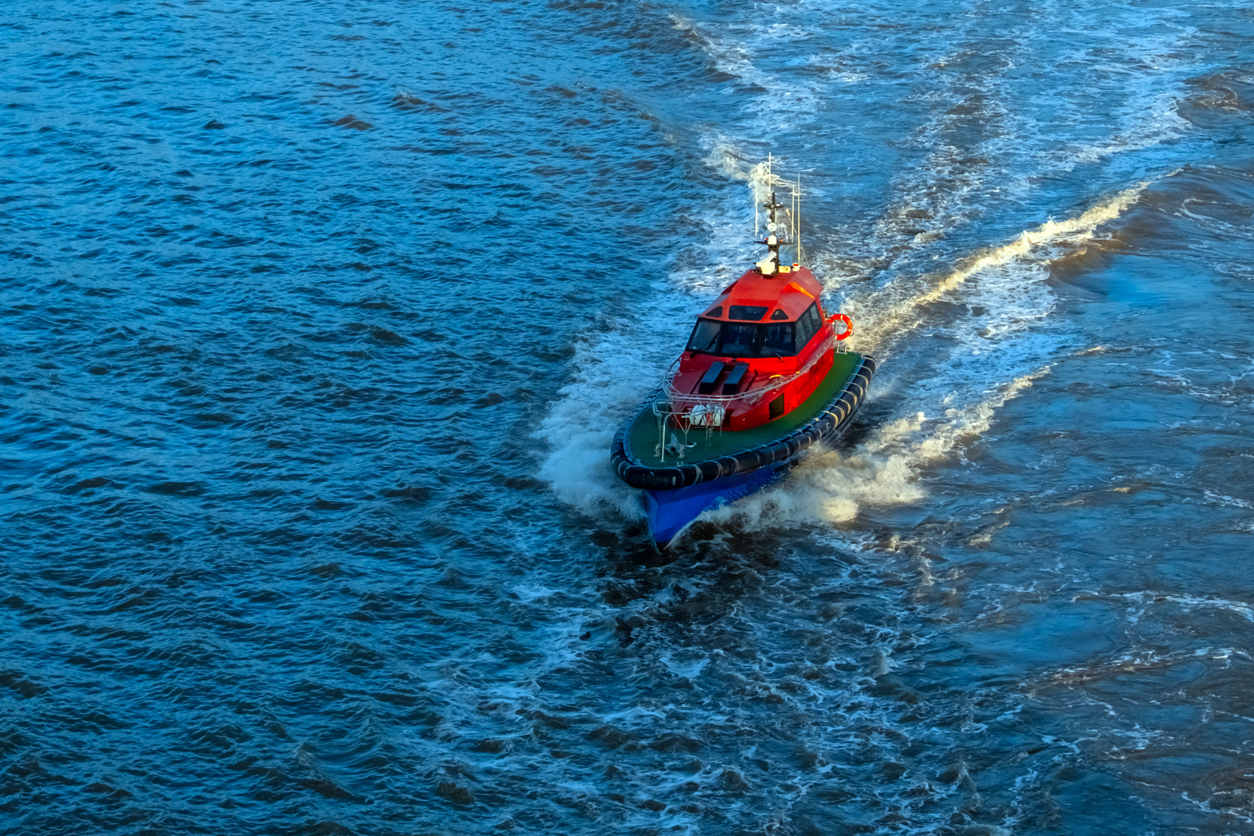
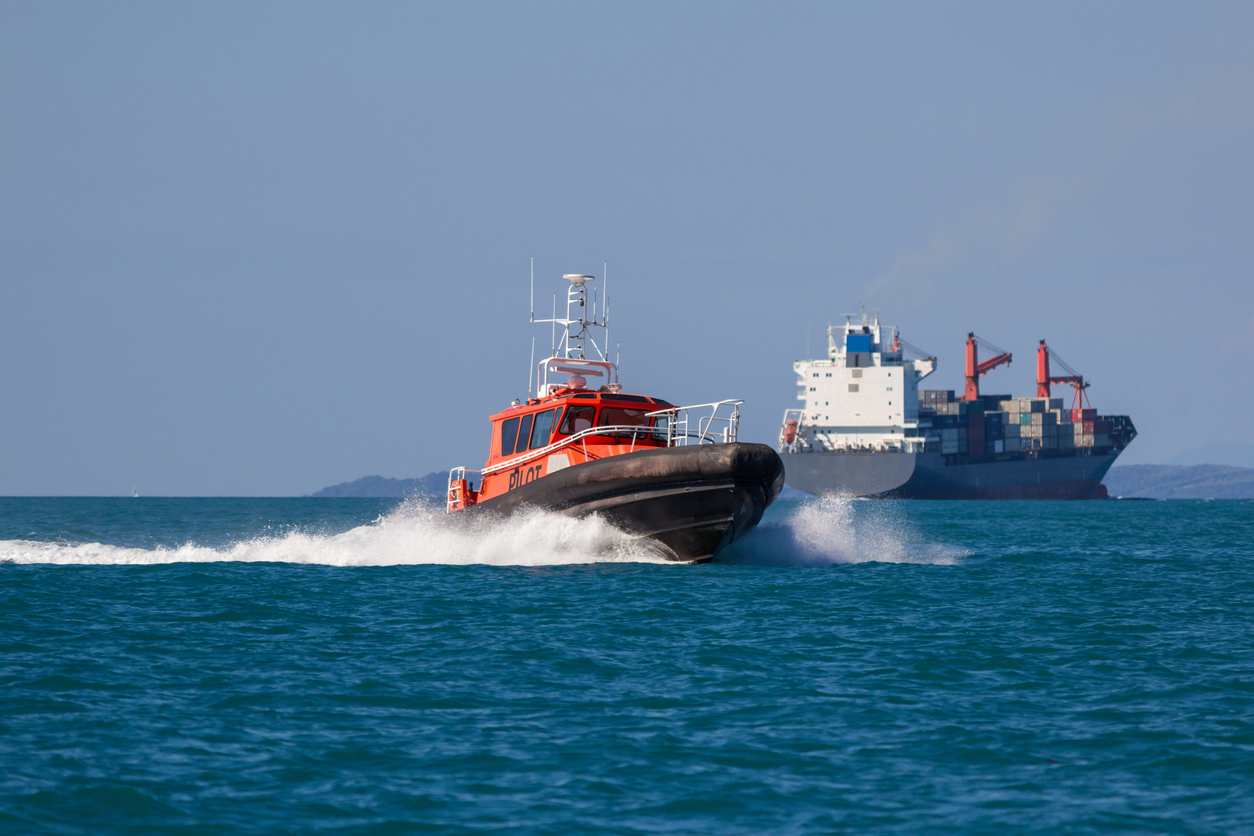
Safer, Smarter Pilot Authority Operations​

OCIANA® helps move from reactive pilot dispatch and fragmented coordination to predictive, safety-driven pilotage management.

From Reactive Dispatch to Predictive Pilotage Control

Pilotage authorities operate in safety-critical environments where dispatch decisions rely on changing vessel arrivals, weather, tides, traffic, and pilot availability. OCIANA provides predictive arrival intelligence and a shared operational picture, enabling safer navigation, more efficient dispatch, and better coordination across pilots, VTS, terminals, and port stakeholders.

Pilot Dispatch and Assignment

Marine Operations and Situational Awareness

Navigation Safety and Regulatory Compliance

Service Coordination and Operational Efficiency

Performance Management and Continuous Improvement

What Makes OCIANA® Different

OCIANA® combines trusted maritime data, predictive intelligence, and operational collaboration to help pilotage authorities improve dispatch, enhance navigation safety, and strengthen coordination across the vessel transit.

Unified Operational Data

OCIANA® integrates AIS, radar, satellite, environmental, hydrographic, and port-operational data into a single, trusted operational picture. By resolving ETA discrepancies, AIS gaps, and fragmented communications, pilotage teams gain a reliable, confidence-scored view of inbound vessel traffic.

This enables:

  • More accurate ETA and pilot boarding predictions
  • Better dispatch planning and pilot utilization
  • Improved compliance monitoring and reporting
  • Enhanced coordination across VTS, terminals, agents, and marine service providers
  • Seamless integration with existing dispatch systems

OCIANA® analyses vessel behaviour—not just vessel positions—to identify changes that may affect pilotage operations before they become operational issues.

Pilotage teams can:

  • Anticipate early and late arrivals that affect pilot assignments
  • Detect speed, routing, and voyage changes that signal schedule instability
  • Monitor anchorage behaviour that impacts boarding windows
  • Identify AIS gaps and abnormal vessel activity that require attention

Earlier behavioural insight gives dispatchers more time to adjust schedules, allocate resources, and maintain safe operations.

OCIANA® transforms maritime data into actionable intelligence that supports safer, more confident operational decisions.

AI-powered analytics forecast arrival changes, assess confidence levels, and identify operational risks before they impact pilotage services. Rather than overwhelming dispatchers with alerts, OCIANA prioritizes information based on operational significance.

The platform delivers:

  • Predictive ETA confidence and arrival risk indicators
  • Automated alerts linked to operational checkpoints
  • Explainable insights behind ETA changes and operational impacts
  • Early warning of risks in high-traffic navigation areas

The result is safer navigation, more efficient dispatch, and greater operational confidence.

OCIANA® integrates seamlessly with existing pilotage technology, allowing organizations to modernize without replacing core operational systems.

The platform provides:

  • API-first integration with dispatch systems, PPUs, VTS, and other operational platforms
  • Secure cloud deployment aligned with maritime cybersecurity requirements
  • Enterprise scalability from regional authorities to national organizations
  • Role-based access for dispatchers, pilots, compliance teams, and leadership

Pilotage authorities can enhance operational capability while protecting existing technology investments and minimizing IT complexity.

Frequently Asked Questions

How does OCIANA® improve pilot dispatch decisions?

OCIANA® provides highly accurate, continuously updated ETA predictions, real-time vessel behaviour monitoring, and automated notifications so dispatchers can assign pilots with greater confidence, reduce last-minute changes, and make safer scheduling decisions under uncertainty.

No. OCIANA® complements existing dispatch tools by enhancing arrival intelligence, situational awareness, and predictive insights. It integrates via APIs and data feeds without requiring you to replace current systems.

OCIANA® helps enforce duty hours, rest rules, certification requirements, and reporting standards through built-in compliance guardrails, audit-ready data logs, and automated alerting for potential rule breaches.

Yes. By improving ETA reliability and providing early warning of arrival changes, OCIANA® enables more stable pilot assignments and better coordination with terminals and VTS, reducing boarding delays and the risk of congestion.

OCIANA® enhances safety by delivering real-time situational awareness, approach monitoring, traffic alerts, and historical playback tools for risk analysis and incident investigation. Predictive analytics also flag irregular vessel behaviour before arrival.

Yes. The platform includes playback of historical vessel movements, audit trails, and data analytics tools that support regulatory reporting, post-incident analysis, and internal safety reviews.

OCIANA® uses AI-driven models that analyze live AIS data, historical voyage patterns, routing behaviour, weather, and traffic conditions to provide continuously refined ETAs with confidence indicators.

Yes. OCIANA® is built on a modular, API-driven architecture and integrates with VTS systems, AIS feeds, terminal platforms, pilot portable units (PPUs), and other maritime data sources.

Turn Arrival Uncertainty into Advantage

Learn how OCIANA® helps pilotage authorities move from reactive dispatch and fragmented coordination to predictive, safety-driven pilotage management.

en_USEnglish