Terminal Operators: Simplify Ship to Shore

Move from reactive execution to predictive, coordinated operations by providing trusted arrival intelligence, berth foresight, and performance analytics.

Operating Under Tight Capacity Constraints

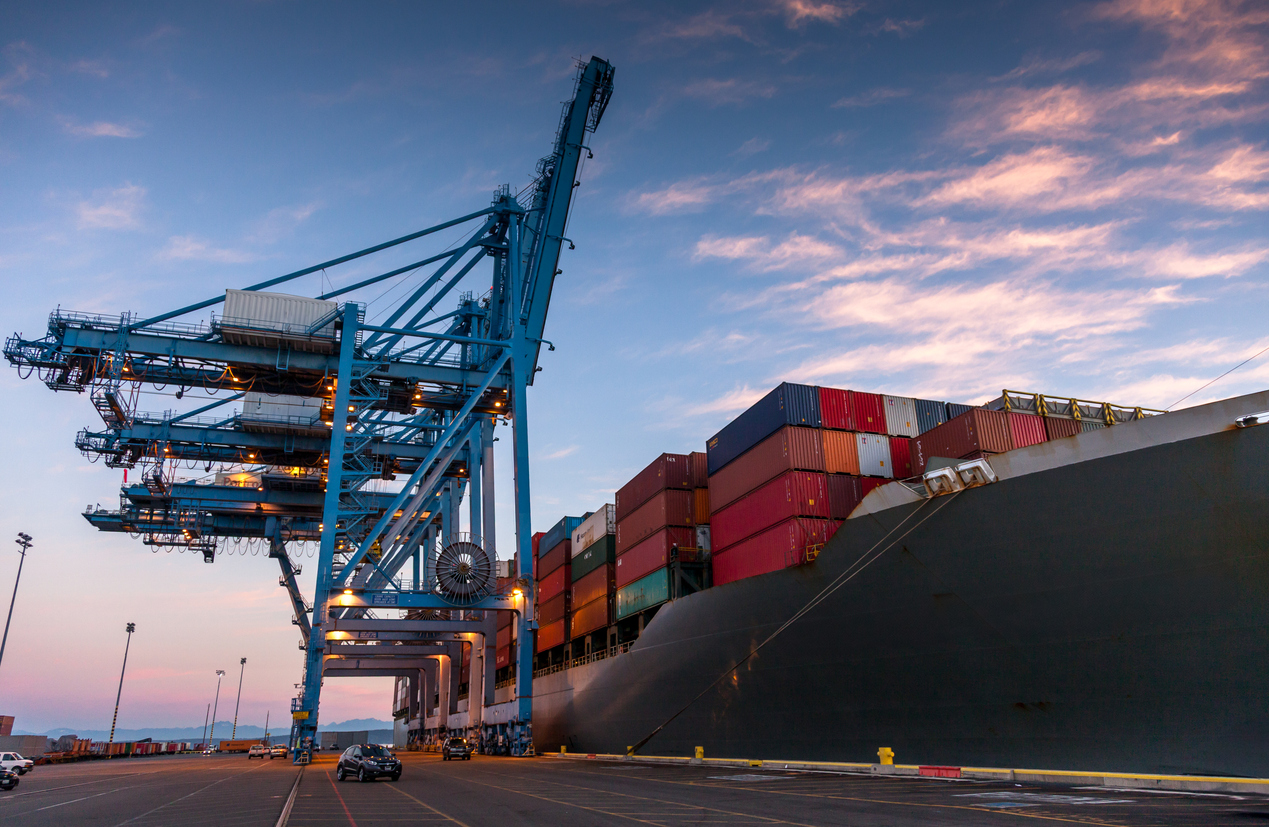
Terminal operators balance berth availability, cranes, yard space, labour, rail, and truck flows with limited visibility and fragmented data. OCIANA® closes the visibility gap before vessels arrive, enabling more accurate labour planning, fewer last-minute changes, better berth and crane utilization, and improved sustainability and service performance.

Arrival Planning and Berth Operations

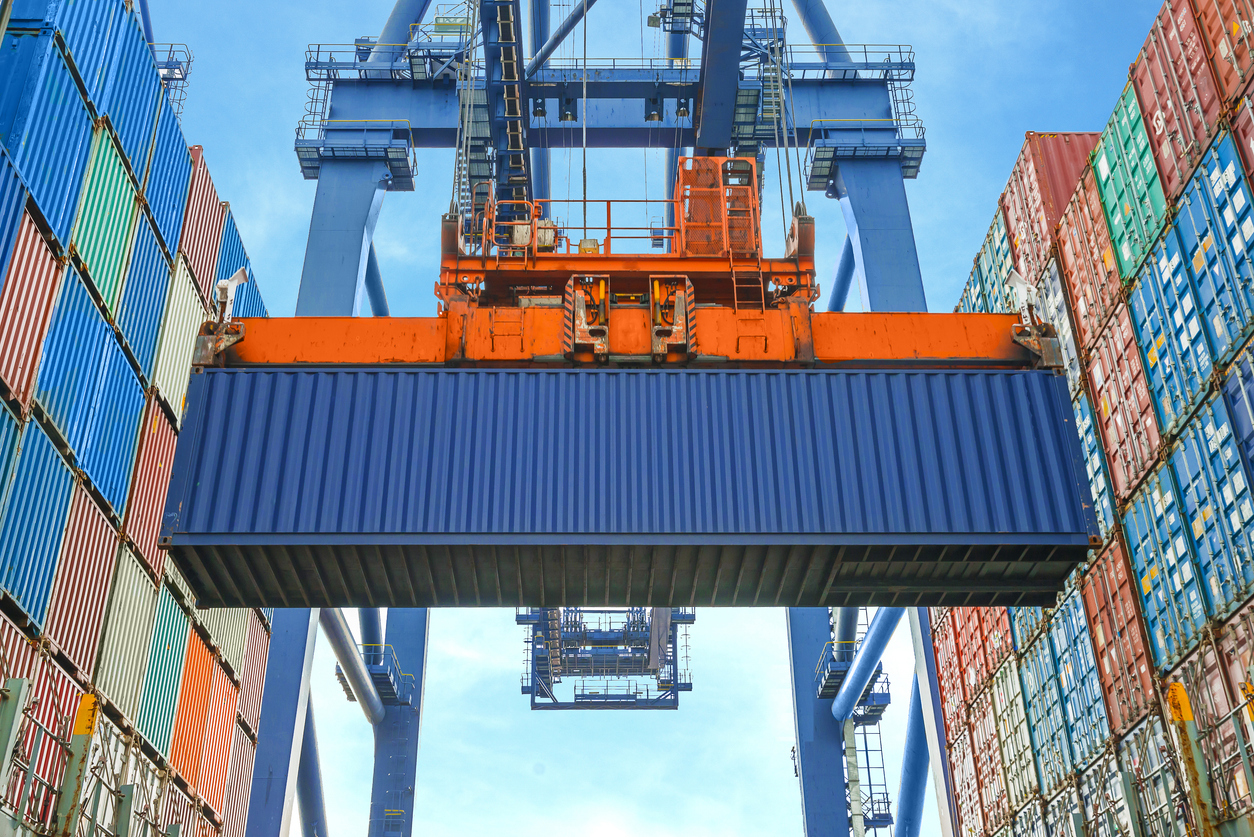
Berth, Crane, and Yard Operations

Terminal Performance and Operational Analytics

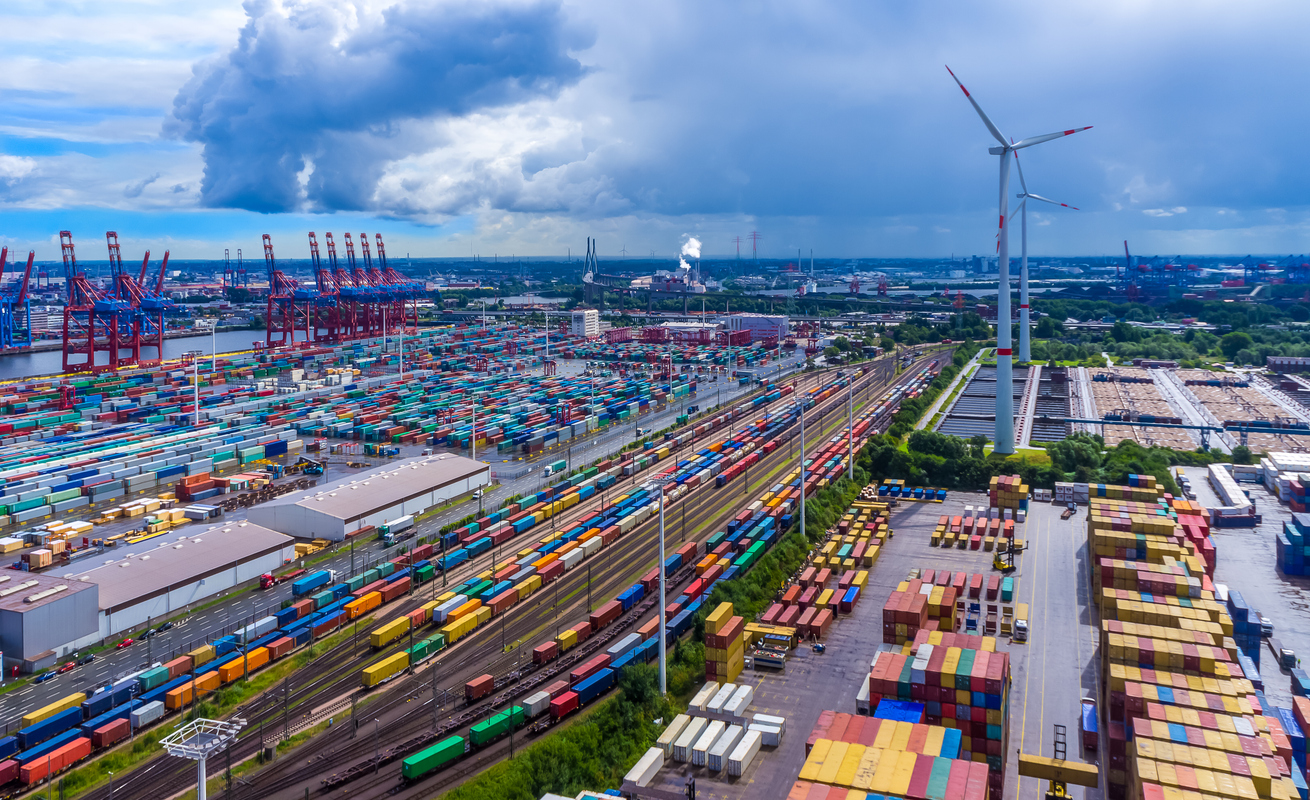
Rail and Inland Operations Coordination

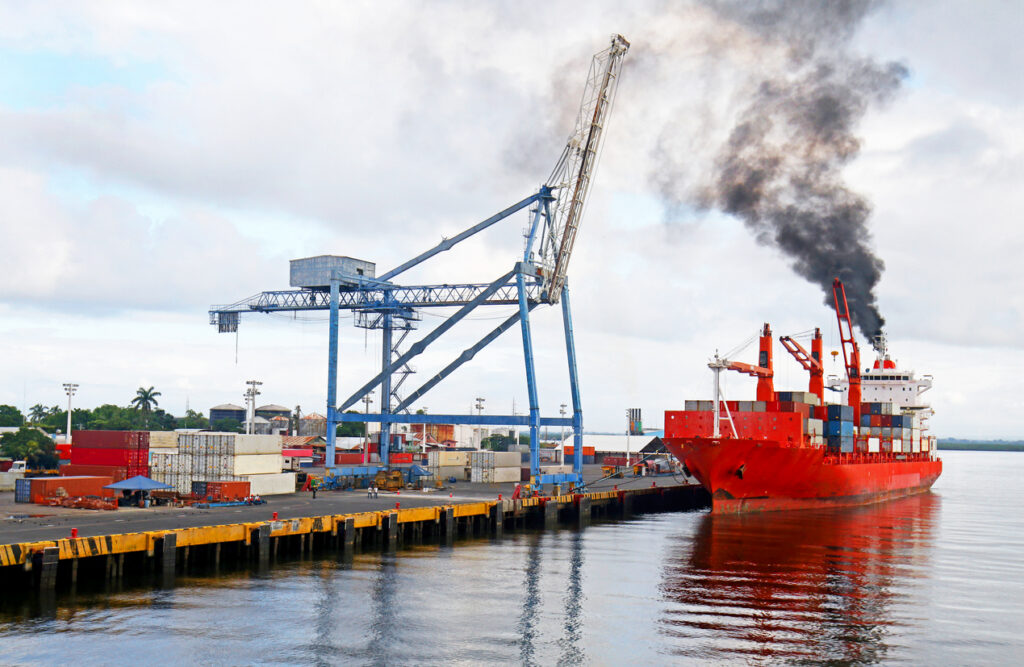
Sustainable Terminal Operations

What Makes OCIANA® Different

OCIANA® offers strong data fusion, predictive analytics, and a collaborative environment.

Unified Operational Data

OCIANA® consolidates AIS, radar, satellite, environmental, and port-operational data into a single, trusted operational picture. By resolving fragmented schedules, inconsistent data, and timing discrepancies across carriers, ports, and logistics partners, terminals gain a reliable, confidence-scored view of inbound vessel activity.

This enables:

  • More reliable ETA and ETB predictions
  • Better labour planning and workforce scheduling
  • Improved coordination across yard, rail, and truck operations
  • Consistent operational reporting and performance measurement
  • Seamless integration with existing Terminal Operating Systems (TOS) and planning platforms

Published schedules rarely reflect what is actually happening at sea. OCIANA® continuously analyses vessel movements and voyage behaviour to identify changes before they affect terminal operations.

Terminal operators can:

  • Detect arrival changes earlier
  • Anticipate speed, routing, and anchorage behaviour that impacts berth availability
  • Identify AIS gaps and other indicators of schedule uncertainty
  • Respond proactively to disruptions before they affect cranes, labour, and yard operations

Earlier visibility gives planners more time to adjust, reducing costly last-minute operational changes.

OCIANA® transforms complex maritime data into actionable operational intelligence. AI-powered analytics forecast arrival variance, quantify confidence levels, and identify risks that could impact berth allocation, resource planning, and terminal performance.

Rather than overwhelming planners with raw information, OCIANA delivers:

  • Predictive ETA confidence scores
  • Operational risk indicators and prioritized alerts
  • Decision-ready insights for berth, crane, labour, and yard planning
  • Early warning of disruptions before they reach the terminal

The result is more informed decisions, smoother operations, and greater planning confidence.

Operational dashboards provide historical and real-time insight into terminal performance, enabling continuous improvement and evidence-based decision-making.

This includes:

  • Anchorage waiting-time analysis
  • Berth occupancy and utilisation reporting
  • Vessel turnaround performance tracking
  • Historical trend analysis and operational benchmarking
  • Comparative performance across terminals or ports

Predictive planning and collaborative operations reduce unnecessary waiting, fuel consumption, and emissions throughout the vessel call while supporting sustainability reporting.

This supports:

  • Reduced vessel time at anchorage and berth
  • Lower fuel consumption through improved planning
  • Reduced emissions across marine and terminal operations
  • Environmental performance reporting and analytics
  • Support for Green Shipping Corridor initiatives

OCIANA® enables terminals to collaborate with ports, shipping lines, pilotage, rail operators, and other stakeholders using a common operational view. Shared situational awareness reduces information gaps and improves coordination across the vessel call.

This supports:

  • Shared visibility of vessel schedules and operational changes
  • Real-time collaboration across marine and landside stakeholders
  • Faster coordination when schedules change
  • Improved alignment between berth, pilotage, rail, and inland operations
  • A single operational picture for all participants

OCIANA® is designed for rapid deployment and seamless integration into existing terminal technology environments.

The platform provides:

  • Modular, API-first integration with TOS, planning, and operational systems
  • Secure cloud or on-premises deployment to meet IT and cybersecurity requirements
  • Enterprise scalability across individual terminals, regional operations, or global terminal networks
  • Fast implementation without replacing existing operational systems

Terminal operators can enhance planning capability while protecting previous technology investments.

Frequently Asked Questions

Does OCIANA® replace our Terminal Operating System (TOS)?

No. OCIANA® is not a TOS and is not designed to replace one. It complements your TOS by providing earlier, more reliable arrival and berth intelligence that improves the quality of planning inputs your TOS already uses.

Published schedules and carrier updates are often late, inconsistent, or incomplete. OCIANA® uses live maritime data and behavioural analytics to detect arrival changes earlier, often days in advance, giving terminals more time to plan cranes, yard capacity, labour, rail, and truck flows.

OCIANA® continuously refines ETA confidence using live vessel behaviour, routing, speed changes, congestion signals, and environmental conditions.

Yes. By identifying arrival variance earlier and explaining its operational impact, OCIANA® helps terminals:

  • Reduce idle berth and crane time
  • Avoid last-minute resequencing
  • Improve asset utilization
  • Stabilize execution across shifts

OCIANA® improves coordination by providing more reliable arrival signals, enabling better:

  • Train building and railcar allocation
  • Yard evacuation planning
  • Alignment between vessel arrival and inland capacity

This reduces dwell time caused by misaligned marine and rail operations.

OCIANA® uses a modular, API-driven architecture designed to integrate with TOS and planning systems.

Yes. OCIANA® is used globally and is particularly valuable in regions where:

  • Congestion is structurally high
  • Data sharing between stakeholders is limited

Terminals typically see ROI through:

  • Reduced berth and crane idle time
  • Improved vessel turnaround times
  • Fewer last-minute operational changes
  • Better sustainability and performance reporting

Even small improvements in arrival predictability can deliver material financial and service-level gains.

Turn Uncertainty into Advantage

OCIANA helps terminal operators run more predictable, efficient, and sustainable operations, even under growing capacity and performance pressure.

en_USEnglish