

Home / Whitepaper / How OCIANA® Can Help Monitor Maritime Crises: The Case of The MV Ultra Galaxy

How OCIANA® Can Help Monitor Maritime Crises: The Case of The MV Ultra Galaxy

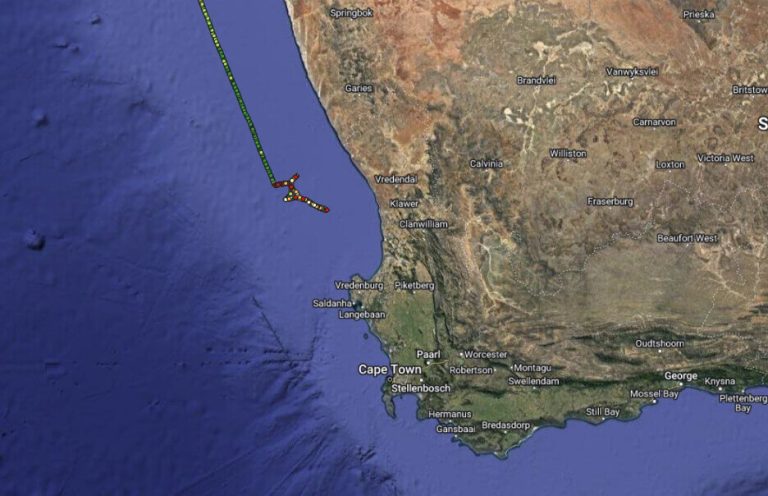
On July 6th, 2024, the cargo ship MV Ultra Galaxy was en route to Dar es Salaam, Tanzania, when it began experiencing severe listing, leading the crew to abandon ship off the west coast of South Africa. By July 8th, the vessel had stopped reporting its position all together. As the situation escalated, the ship drifted inland due to strong weather, eventually grounding and posing a significant risk of environmental contamination. With the vessel now grounded, salvage efforts are underway to prevent further environmental damage.

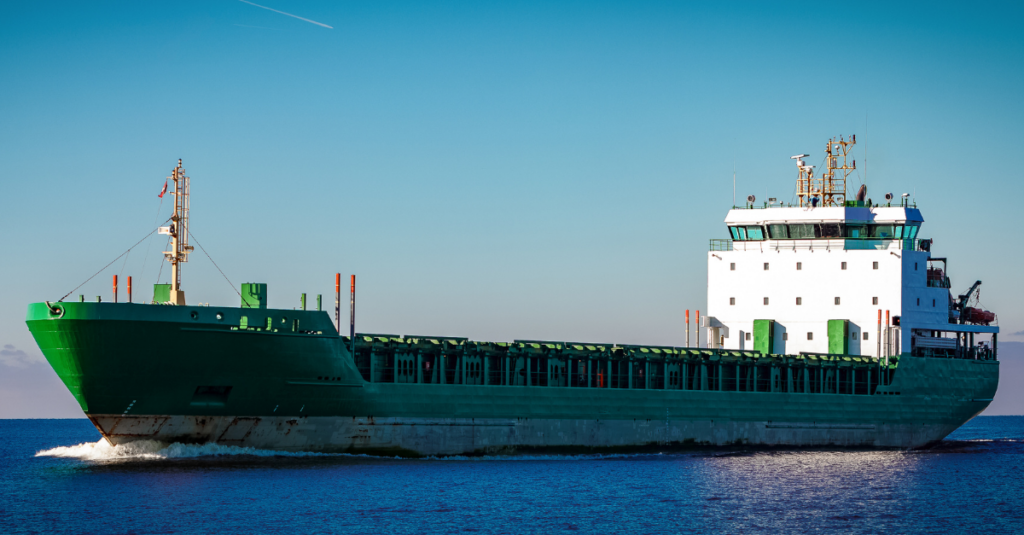
Figure 1: MV Ultra Galaxy

How OCIANA® Can Monitor the Events Leading to the Accident

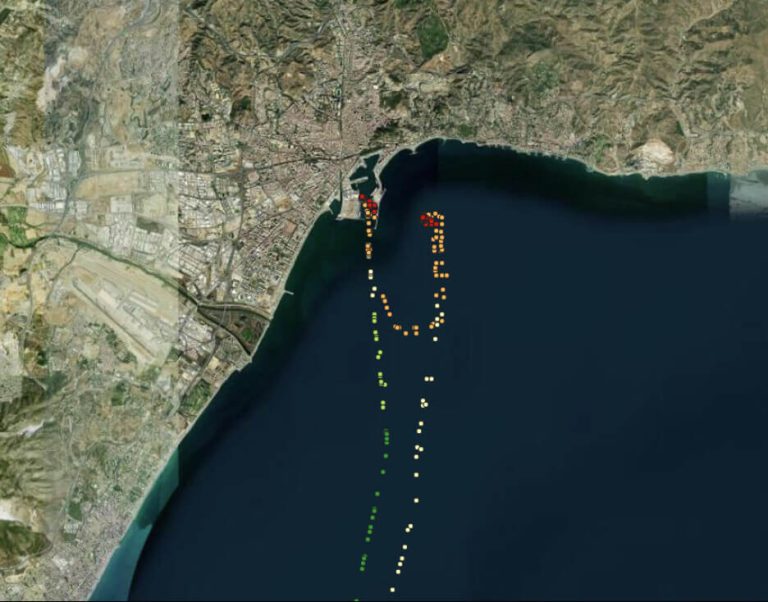
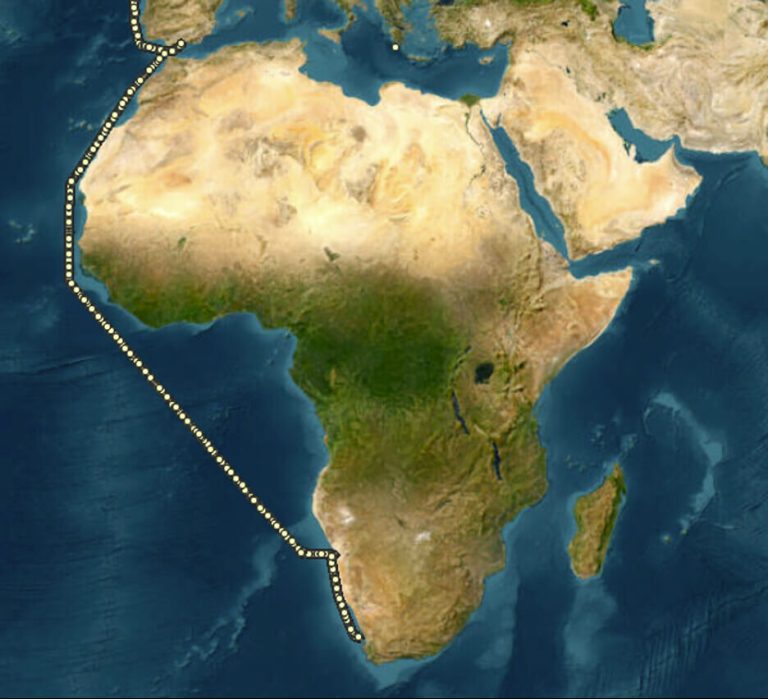
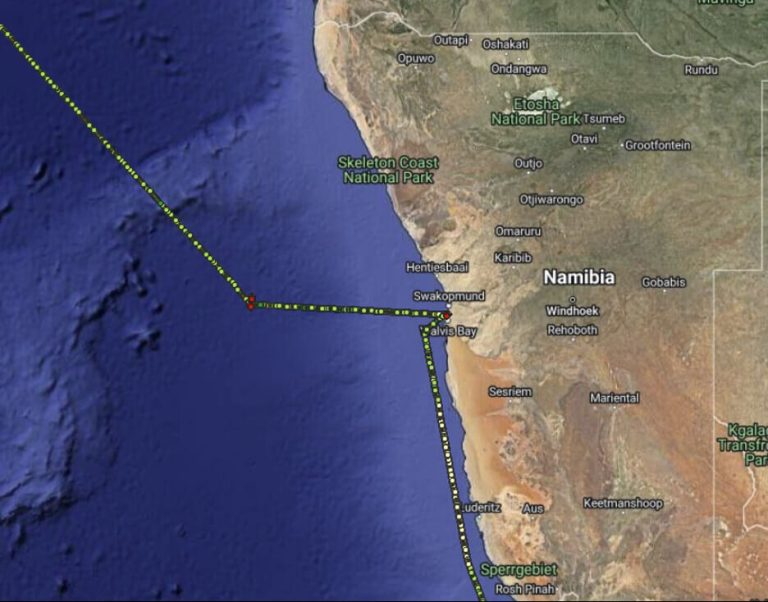
OCIANA®, a powerful maritime AI powered tracking platform, offers the ability to closely monitor and analyse the sequence of events that led to the MV Ultra Galaxy’s crisis. The ship’s journey began on June 13th when it departed from Malaga, Spain. Initially bound for Tanzania, the MV Ultra Galaxy changed course to Walvis Bay, Namibia, just two days into its voyage—possibly in response to an emerging issue onboard. The ship anchored in Walvis Bay on July 2nd but left on July 4th without berthing. On July 6th, shortly after departing, the ship issued a distress signal indicating it was “Not Under Command,” marking the start of a potential maritime environmental disaster.

Figure 2: MV Ultra Galaxy visit to Malaga, Spain
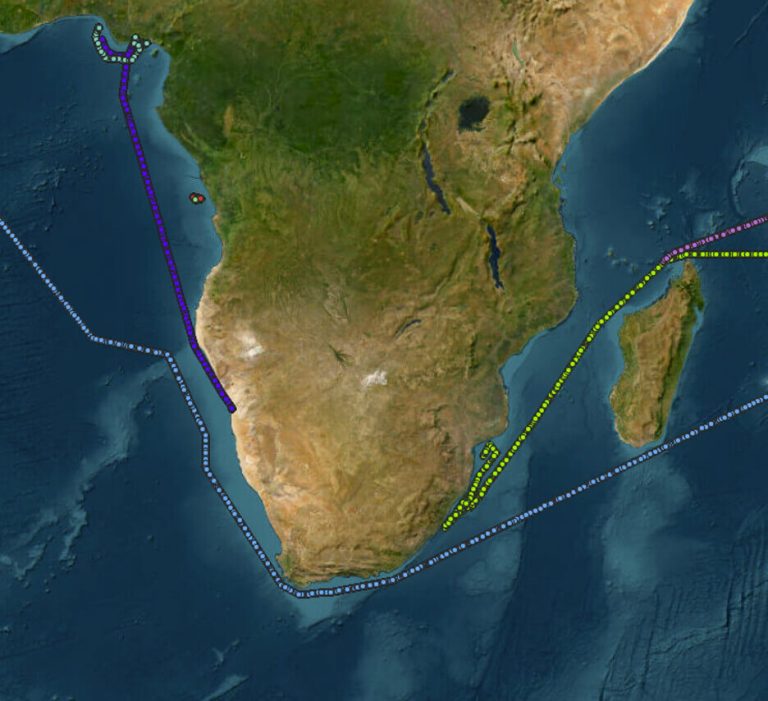
Figure 3: The MV Ultra Galaxy last voyage
Figure 4: The MV Ultra Galaxy visiting Walvis Bay, Namibia
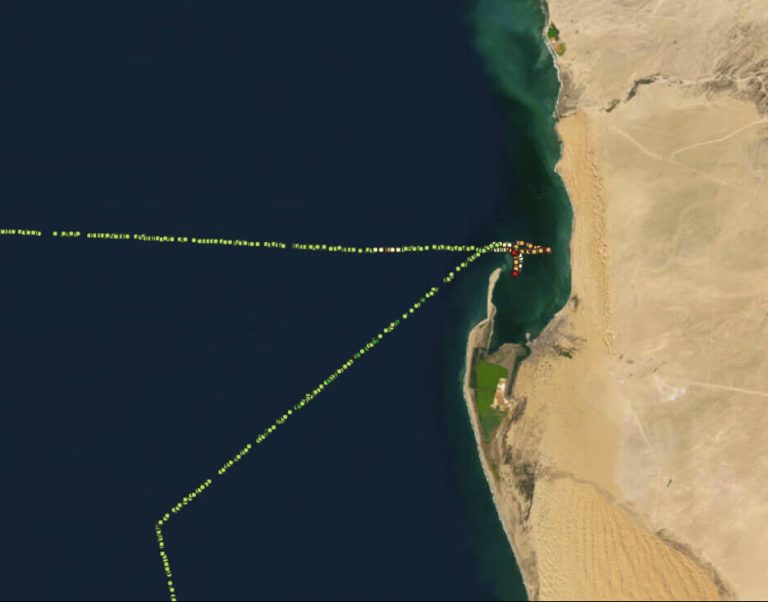
Figure 5: A closer look at the MV Ultra Galaxy not berthing in Walvis Bay, Namibia

How OCIANA® Can Monitor the Situation Afterwards

As the MV Ultra Galaxy drifted toward the South African coast, the situation became increasingly dire. The risk of environmental contamination from the grounded vessel was significant, prompting a rapid response from Smit Salvage, a leading company in maritime salvage operations. Using OCIANA®, the progress of the salvage efforts can be meticulously monitored and analysed in real-time, ensuring efficient and effective management. Given that Smit Salvage is a subsidiary of Boskalis, there may be a need for additional vessels to assist in the operation. OCIANA’s AI powered tracking capabilities allow for the monitoring and analyzing of nearby Boskalis-owned ships, ensuring that support can be mobilized quickly. Additionally, the unpredictable weather off the South African coast poses a considerable challenge to the operation. OCIANA’s advanced weather monitoring tools provide crucial real-time updates, enabling the salvage team to assess the safety of their efforts and plan accordingly.

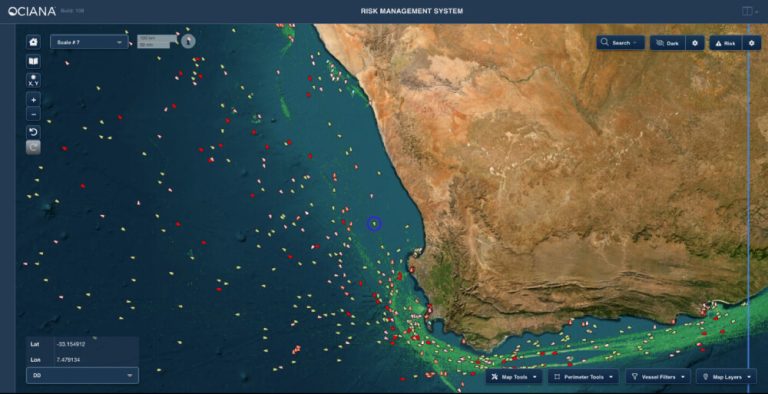
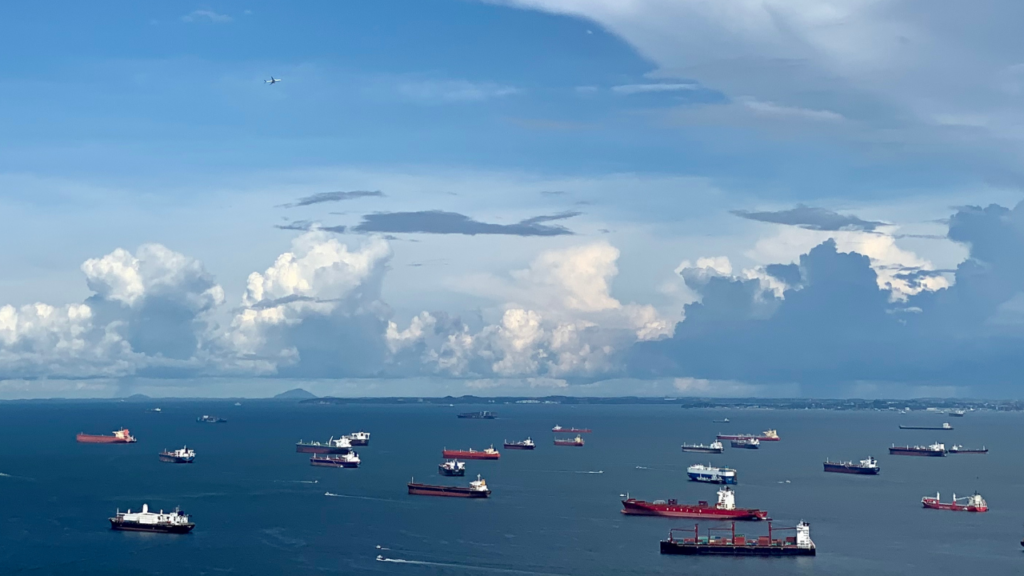
Figure 6: A look at typical vessel traffic in the region
Figure 7: Real-time monitoring and analysis of all nearby Boskalis-owned vessels
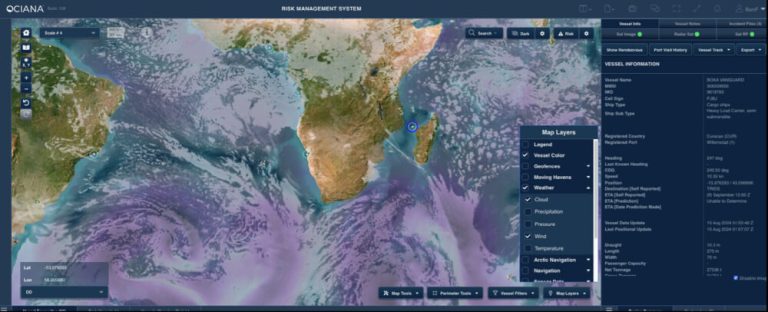
Figure 8: Real-time Weather Patterns in the region

Summary of How OCIANA® is Leveraged

The incident involving the MV Ultra Galaxy underscores the vital role that advanced monitoring and data analytics platforms such as OCIANA® play in maritime safety and sustainability. By tracking the ship’s journey, understanding the decisions made during its voyage, and overseeing the salvage operations, OCIANA® helps prevent maritime crises and environmental disasters. As Smit Salvage works to mitigate the risks associated with the grounded vessel, OCIANA® ensures that every phase of the operation is handled with the utmost precision and care.

Learn more today: sales@gsts.ca

Share This Article:

Turn port awareness into confidence, and credibility

Related Content

Safeguarding the Ocean’s Digital Highways: Advanced Infrastructure Protection with OCIANA®

Undersea cables and pipelines form the invisible backbone of our global economy, carrying over 95% of international data…
2 min

Sustainable Shipping: Reducing Emissions with Real-Time Data

Sustainability is no longer just a buzzword—it’s a necessity, especially for the shipping industry. The industry must find…

4 min

OCIANA®: Enabling real time emissions monitoring in dynamic environments

At GSTS, our focus is on facilitating stakeholder collaboration, operational optimisation and risk mitigation towards maritime sustainability mandates.…

3 min

OCIANA®: Facilitating Information at the Speed of Relevance: The Role of Cloud Computing and Open Source Intelligence in Maritime Domain Awareness

The contemporary security environment requires assimilation of vast amounts of data in order to maximize outcomes and the…

8 min

The Future of OCIANA®: Leveraging Digital Twin technology to boost supply chain resilience

The network of vessels, ports, and operators that enable the global supply chain have matured during a period…
2 min

OCIANA® – Your Collaborative Platform Towards Maritime Single Window Requirements

Promotes digitalization Facilitates interoperability Enables harmonization of electronic data exchanges Enhances strategic partnership development As of January 2024, the…

4 min
en_USEnglish